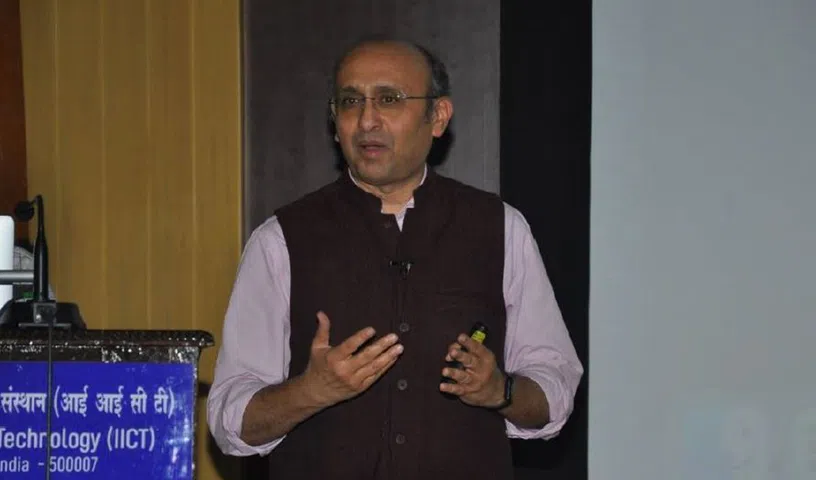
Secretary of India’s Department of Biotechnology, Dr. Rajesh Gokhale, graced the 36th Foundation Day celebration of Hyderabad’s Centre for Cellular and Molecular Biology (CCMB), inaugurated on November 26, 1987. On the occasion of 36th Foundation Day of Hyderabad-based Centre for Cellular and Molecular Biology (CCMB), which was inaugurated on November 26, 1987, Secretary, Department of Biotechnology, Government… Continue reading Hyderabad-based CCMB marks 36th Foundation Day


Category: Research Highlights
Environmental factors determine height of children in LMICs
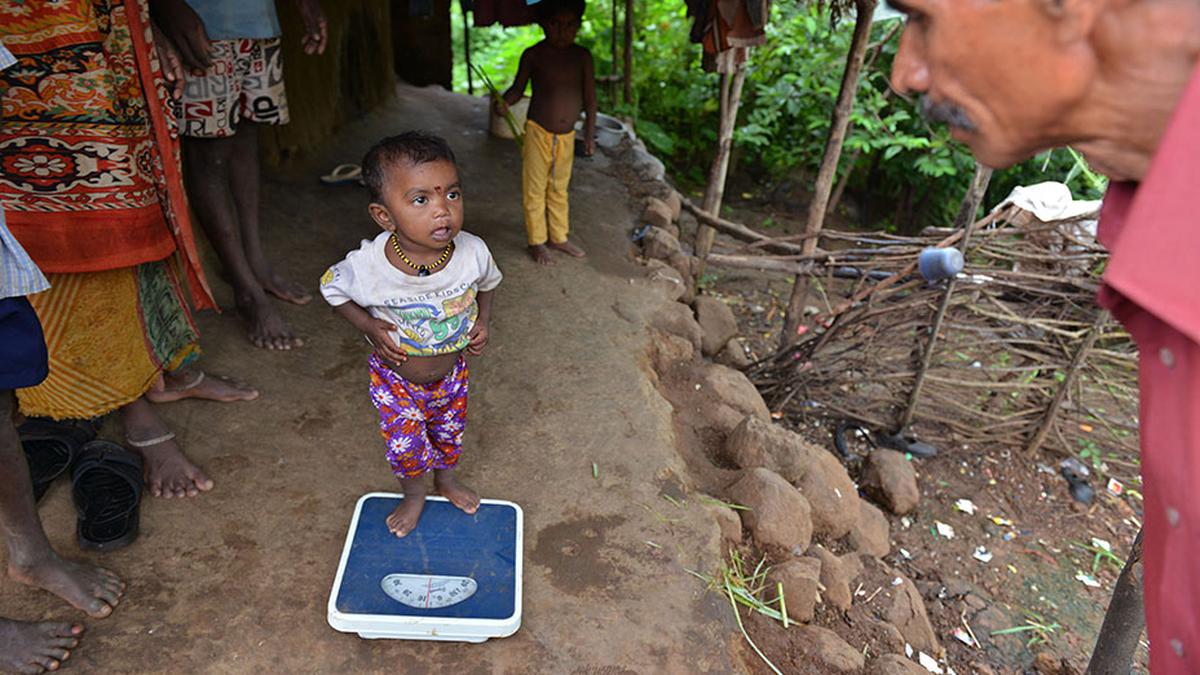
Epigenetic factors are external influences, including lifestyle, nutrition and environment that affect the way genes work. In a significant finding, scientists have discovered that environmental factors play a greater role than genetic variants in determining the height of children in low and middle income countries (LMICs) in contrast to those from European nations, where genetic… Continue reading Environmental factors determine height of children in LMICs
Environmental DNA: A novel method to detect all life forms in an ecosystem
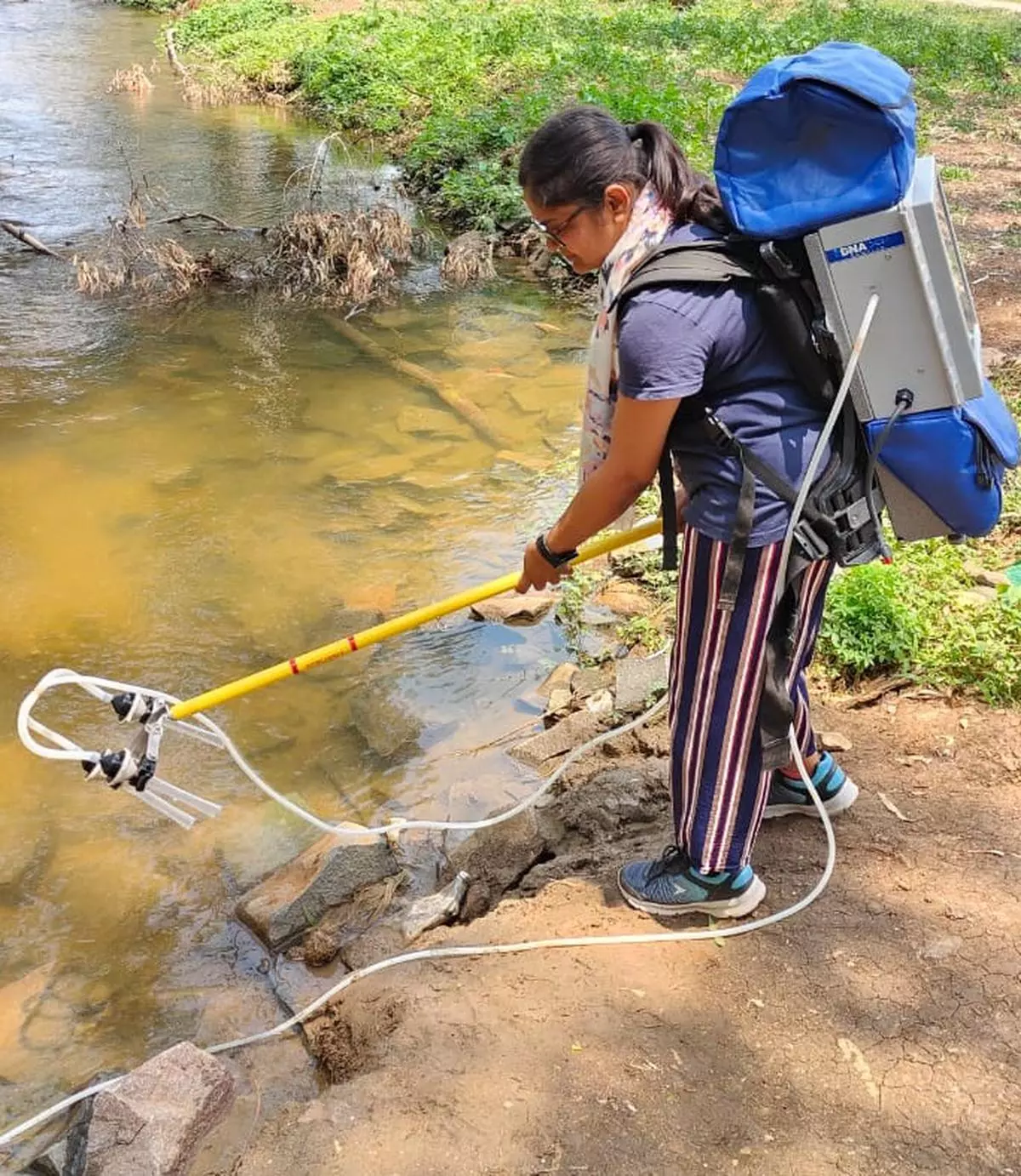
Researchers need not go around to collect samples of all organisms in a physical setting to assess the total biodiversity of any ecosystem. Thanks to a new method developed by the researchers at the Laboratory for the Conservation of Endangered Species (LaCONES), one can pick just a few litres of water, soil, or even air.… Continue reading Environmental DNA: A novel method to detect all life forms in an ecosystem
How Prayagraj is leveraging wastewater surveillance to prevent another pandemic
This note by Agrawal and Siva outlines efforts taken by the Prayagraj district in Uttar Pradesh to collect samples from sewage treatment plants and test them for the SARS-CoV-2 pathogen. They found a correlation between surveillance results and test results two weeks later, suggesting that wastewater surveillance can be used for early detection of the disease. They… Continue reading How Prayagraj is leveraging wastewater surveillance to prevent another pandemic
Rs 25 crore project: Centre for Cellular and Molecular Biology join UK scientists in 5-year deal
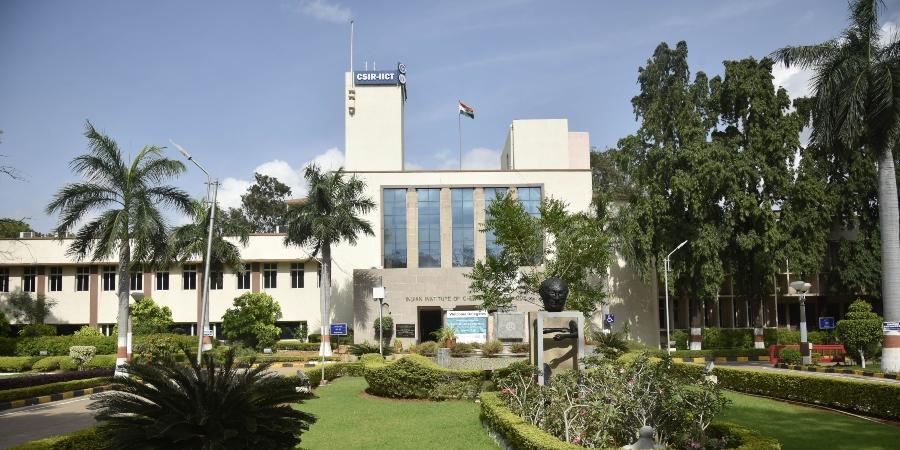
The study will include researchers from the University of Bristol, UK, the MRC Unit and the Gambia at the London School of Hygiene & Tropical Medicine. The CSIR-Centre for Cellular and Molecular Biology (CSIR-CCMB), Hyderabad, is set to be part of the Diverse Epigenetic Epidemiology Partnership (DEEP), a five-year international project which has been sanctioned… Continue reading Rs 25 crore project: Centre for Cellular and Molecular Biology join UK scientists in 5-year deal
Hyderabad: CCMB researchers use fruit flies to find a cure for microcephaly
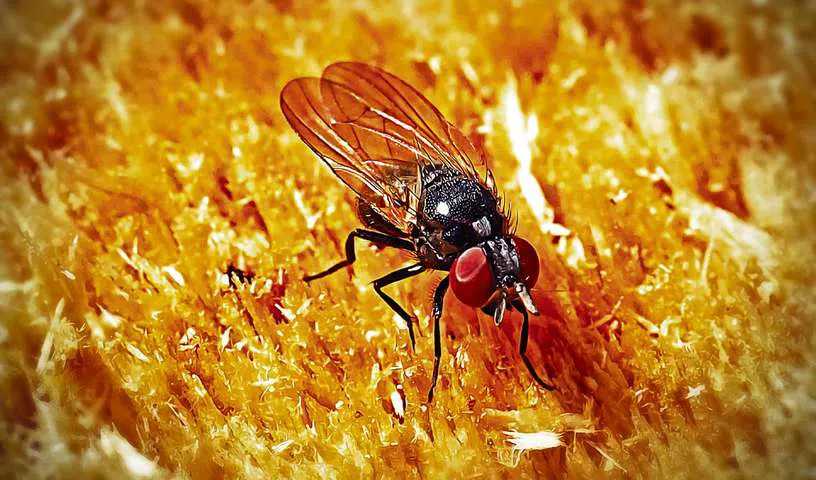
Microcephaly is a lethal condition caused due to underdevelopment of brain during pregnancy Does a tiny fruit fly have the potential to make us understand the mysteries of human brain development? To better comprehend how the human brain develops and find treatment, researchers from Hyderabad have genetically mutated fruit flies to have small brains, a lethal developmental… Continue reading Hyderabad: CCMB researchers use fruit flies to find a cure for microcephaly
Unravelling the links between consanguinity and genetic diseases

In the rich tapestry of human ancestry and history, there is one genomic thread that weaves a particularly complex narrative. It connects our lineage through the many generations across our existence on the earth, and also defines our genetic vulnerabilities. This thread is none other than consanguinity: the practice of marrying close relatives, an age-old… Continue reading Unravelling the links between consanguinity and genetic diseases
Climate change endangering amphibian species around the world, 136 of 426 in India threatened: Study

New Delhi, Oct 5 (PTI) Climate change is deteriorating amphibian species around the world and the species continue to be the most threatened class of vertebrates, new research in Nature journal reports. In India, 136 of the 426 species evaluated in the study were found to be threatened, an international team of researchers, including those… Continue reading Climate change endangering amphibian species around the world, 136 of 426 in India threatened: Study
New study reveals Slender Lorises as distinct species
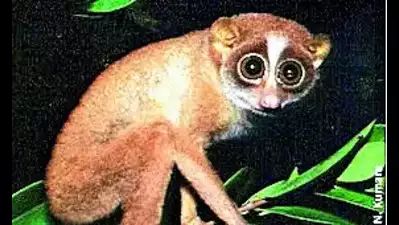
Hyderabad: Researchers from the Centre for Cellular and Molecular Biology – LaCONES (Laboratory for Conservation of Endangered Species) unveiled the complete genome sequencing of the Slender Loris found in South India, including Tamilnadu, Andhra Pradesh and Telangana. The study presents the first molecular evidence highlighting the genetic divergence and distinctiveness of the Mysore and Malabar… Continue reading New study reveals Slender Lorises as distinct species
India’s biosecurity measures are outdated, letting invasive species thrive
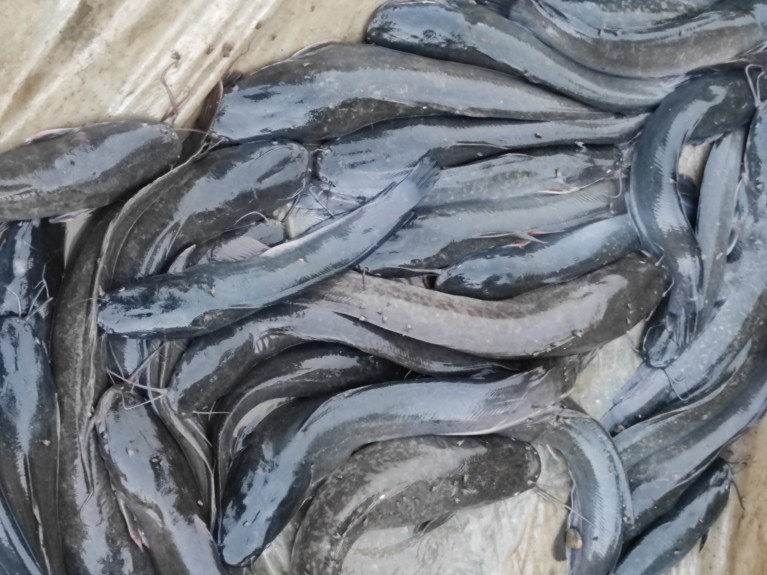
Experts call for a national policy to safeguard against alien species When molecular biologist Govindhaswamy Umapathy and his team started looking for traces of a variety of invasive catfish in 12 lakes in and around Hyderabad city in India, little did they expect the genetic material of these fish to show up in almost all… Continue reading India’s biosecurity measures are outdated, letting invasive species thrive