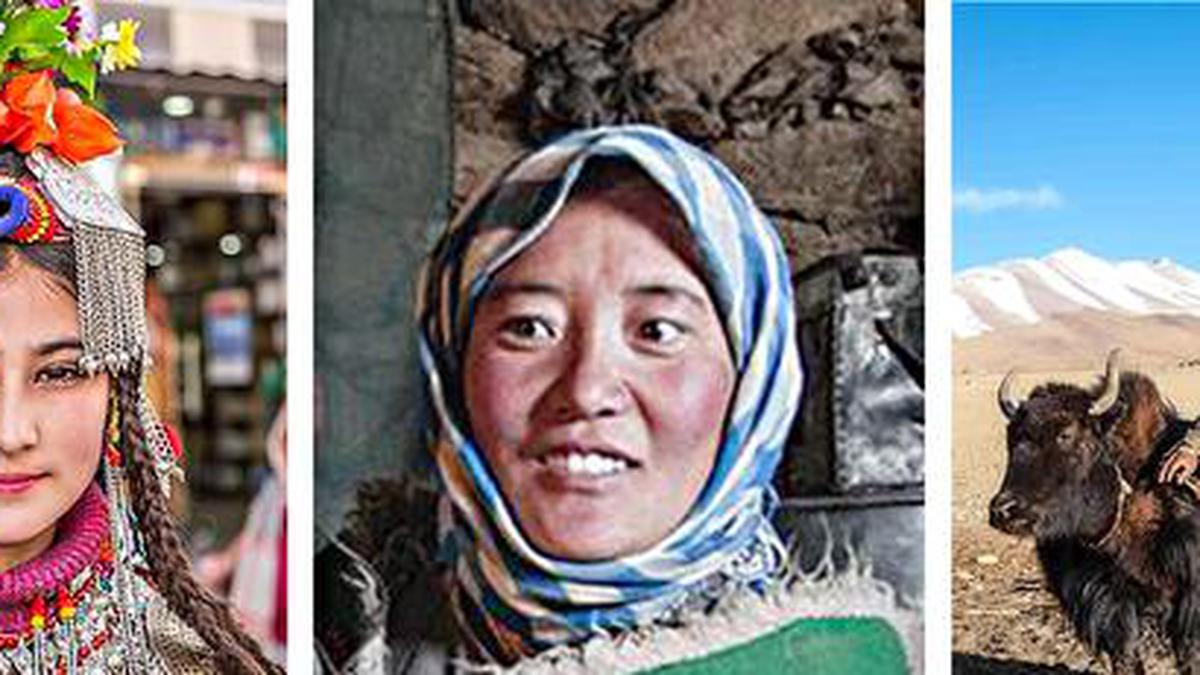
Ladakh is a high-altitude region, characterised by an alternating valley-range configuration with complex terrain and micro-climates operating over the terrain-facets and snowfall. The altitude varies from about 3000 metres in Kargil to more than 8000 metres in Karakoram. It lies at a strategic location between the Indus River valley and the Hindukhush Mountains, which makes… Continue reading CCMB scientists unravel origins of Ladakh people


Category: Research Highlights
Don’t flush that pet fish or turtle down the toilet: CCMB scientist
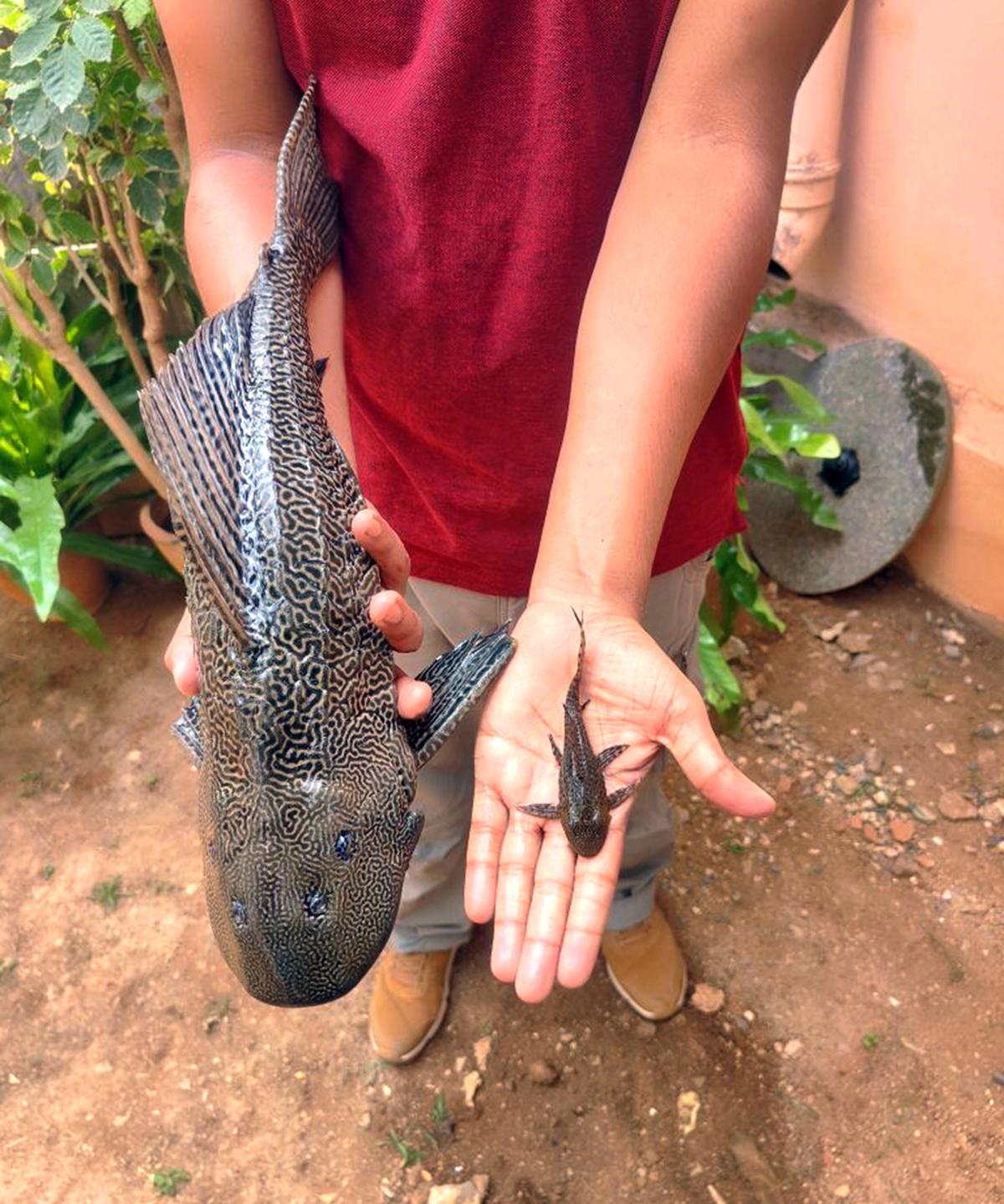
Invasive species are also responsible for incurring huge economic losses every year for the country, said invasion biologist Gopi Krishnan from Dr. G. Umapathy’s lab in an official online post Flushing pet fish or turtle down the toilet or releasing them in a pond, letting a pet bird fly away, abandoning a pet dog or… Continue reading Don’t flush that pet fish or turtle down the toilet: CCMB scientist
Genetic ancestries of South-west coast warrior class traced
Study revealed that the Nair and Thiyya communities share most of their ancestry from ancient migrants of North-west India The traditional warrior class and feudal lords of Nairs, Thiyyas and Ezhavas from Kerala, and Bunts and Hoysalas from Karnataka have been found to be genetically closer to populations of North-west India putting at rest their… Continue reading Genetic ancestries of South-west coast warrior class traced
Hyderabad researchers can now forecast pandemic

CCMB researchers develop a system to detect infections two weeks in advance Researchers from Hyderabad can now predict the possible onset of a pandemic like a fresh Covid wave two weeks in advance. Yes, you read it right! The wastewater surveillance system developed by researchers from the city-based Centre for Cellular and Molecular Biology (CCMB) can now… Continue reading Hyderabad researchers can now forecast pandemic
CCMB researchers estimate critically endangered ‘Hangul deer’ population using genetic data
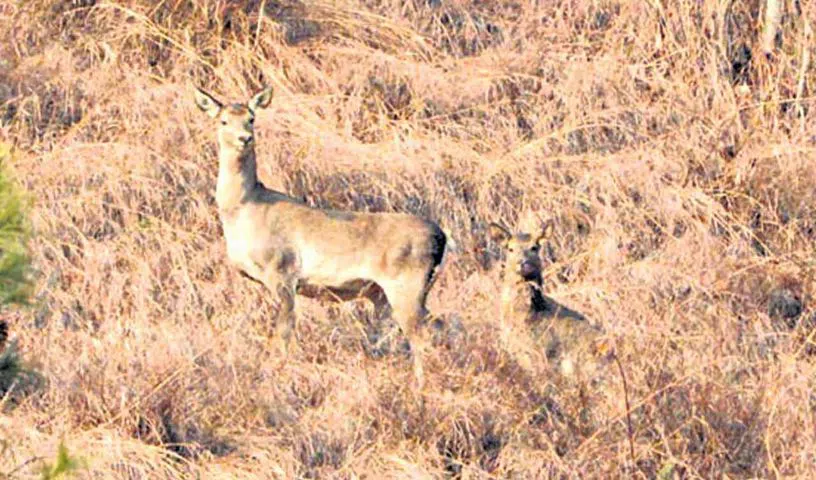
The Hangul deer (hangul Cervus hanglu hanglu) is categorised as ‘Critically Endangered’ on the IUCN Red List and as a Schedule 1 species in the Indian Wildlife (Protection) Act, 1972. For the first time in India, geneticists from the Hyderabad-based Centre for Cellular and Molecular Biology (CCMB) have utilised genetic data to estimate the population… Continue reading CCMB researchers estimate critically endangered ‘Hangul deer’ population using genetic data
Unique unchanged DNA stretches define humans and other primates
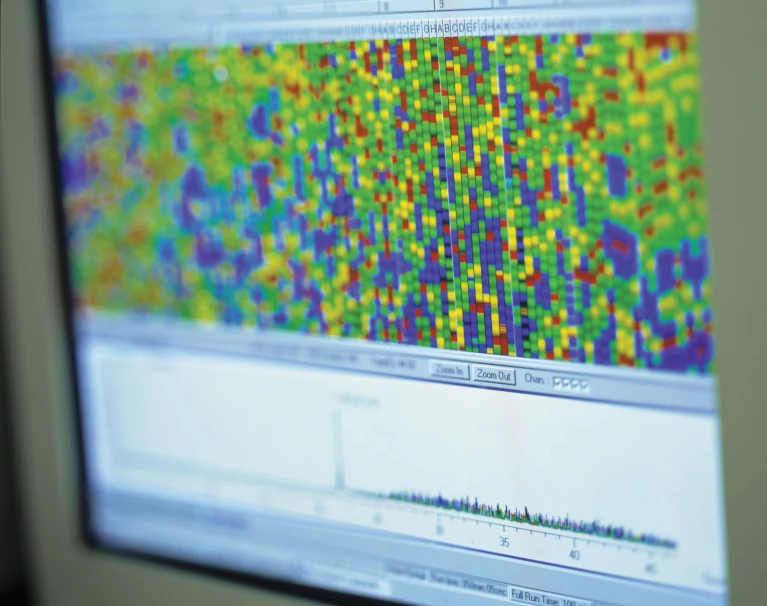
Hundreds of thousands of stretches of DNA have remained unchanged in humans and other primates for over 65 million years but not other mammals, genetic scientists have found1. These evolutionary records could play an important role in improving human health. Constrained genes are parts of the genome that don’t encode proteins. They carry most of… Continue reading Unique unchanged DNA stretches define humans and other primates
CCMB study finds clues to diagnosis of complex diseases
Hyderabad: Researchers from the city- based Centre for Cellular and Molecular Biology (CCMB) have identified non- coding elements in the genome conserved only in humans and primates, but not across other mammals, which can help in diagnosis. and treatment of complex diseases in human beings. The researchers studied regions of the genome that lack protein-coding… Continue reading CCMB study finds clues to diagnosis of complex diseases
I study depression in the lab and advocate for mental health in academia
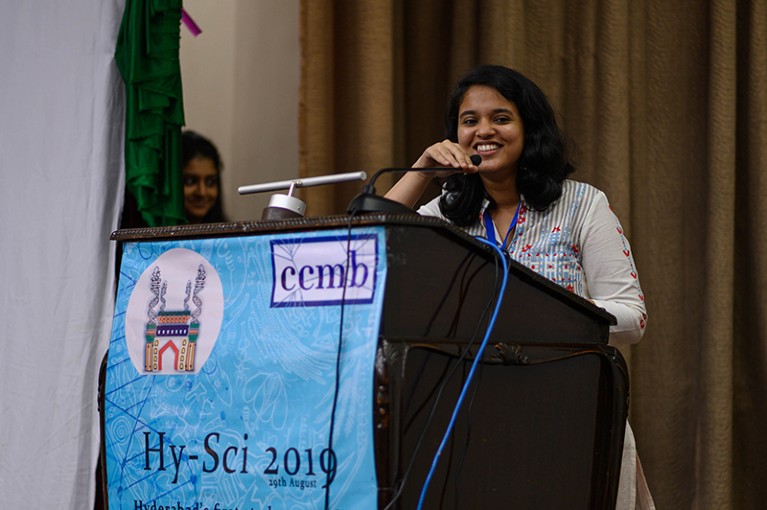
Annapoorna P. K. works to understand the role of epigenetics in neuropsychiatric disorders such as depression, anxiety and addiction in mice as part of her PhD at the Centre for Cellular and Molecular Biology (CCMB) in Hyderabad. The ultimate goal of the work, P. K. says, is to have a better understanding of these disorders… Continue reading I study depression in the lab and advocate for mental health in academia
Why are many children from low and middle-income countries like India stunted?
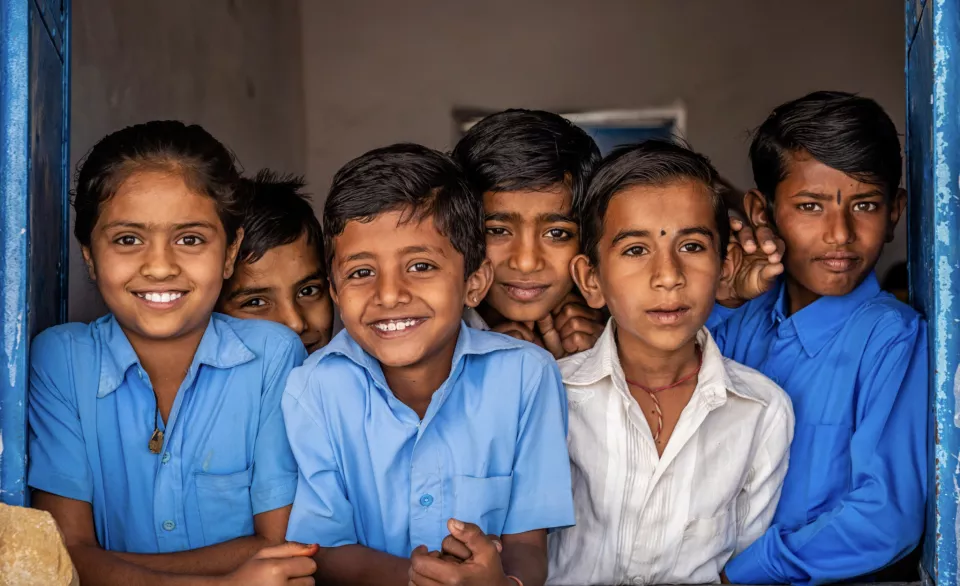
A recent collaborative study led by Giriraj R Chandak, CSIR-Centre for Cellular and Molecular Biology, Hyderabad, examined height differences among children in low and middle-income countries (LMICs) compared to high-income countries (HICs). They discovered that besides genetic factors, epigenetic modifications, particularly in the SOCS3 gene, significantly influence height, showing potential implications for childhood interventions to reduce future non-communicable disease risks. Height… Continue reading Why are many children from low and middle-income countries like India stunted?
Top scientists gather in Hyderabad for two-day INSA meeting
About 200 fellows and associate fellows of the prestigious Indian National Science Academy (INSA) on Wednesday gathered here for the academy’s 89th anniversary general meeting (AGM), co-hosted by the three CSIR institutes – Centre for Cellular and Molecular Biology (CCMB), Indian Institute of Chemical Technology (IICT) and the National Geophysical Research Institute (NGRI). The two-day… Continue reading Top scientists gather in Hyderabad for two-day INSA meeting